
- Importance of Opening Lines: Opening lines are crucial in drawing readers into a story, setting the tone, introducing characters, and creating intrigue.
- Famous Examples:
– “Call me Ishmael.” – Herman Melville
– “It was the best of times, it was the worst of times.” – Charles Dickens
– “It is a truth universally acknowledged…” – Jane Austen
– “It was a bright cold day in April, and the clocks were striking thirteen.” – George Orwell - Common Traits: Evocative, intriguing, and sometimes surprising, these lines engage readers immediately and leave a lasting impact.
- Elements of Unforgettable Opening Lines:
– Setting the Tone: Establishes the narrative’s mood.
– Establishing Voice: Reveals the author’s unique narrative style.
– Creating Intrigue: Captures readers’ curiosity. - Impact on Readers:
– First Impressions: Introduces the story’s world and themes.
– Emotional Engagement: Aligns readers’ emotions with the narrative.
– Narrative Hook: Ensures continued reader interest and engagement. - Cultural and Literary Influence: These opening lines have become iconic, influencing literature and culture significantly.
A novel’s opening line plays a crucial role in drawing readers into the story. This sentence can set the tone, introduce characters, or create a sense of mystery that begs to be unraveled. Understanding why certain opening lines stand out helps readers appreciate the craftsmanship behind these first words, revealing how they manage to hook audiences from the very start.
The best opening lines of novels are those that often share common traits: they are evocative, intriguing, and sometimes surprising. These lines not only engage readers immediately but also leave a lasting impact on literature and culture. By examining these notable beginnings, one can gain insight into the elements that make a novel unforgettable.
“Call me Ishmael.” – Herman Melville
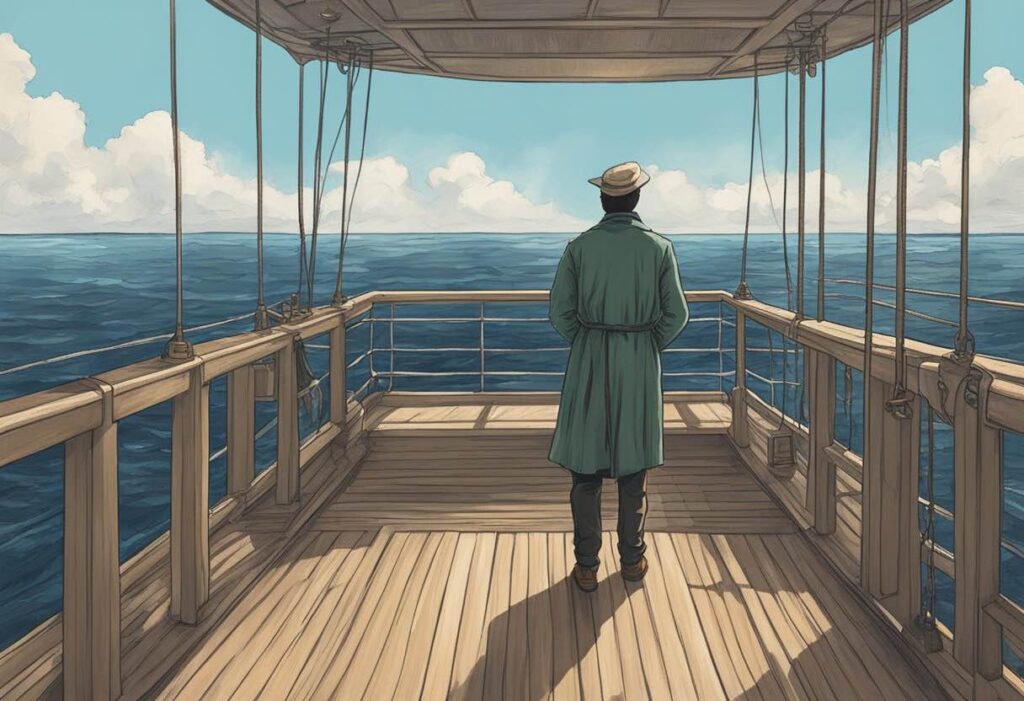
“Call me Ishmael.” These three words serve as the opening line of Herman Melville’s 1851 novel, Moby-Dick, and are among the most recognizable in Western literature. Its simplicity and directness immediately draw readers into the world of the narrator.
The line establishes a personal connection between the narrator and the reader, using an intimate and conversational tone. This approach sets the stage for the epic journey that follows and creates an air of immediacy and engagement.
One of the reasons this opening is so famous is its mysterious quality. Readers are left with questions: Who is Ishmael? Why does he want to be called by this name? This curiosity compels readers to continue with the story.
Because its cultural and literary impact is significant, this line is often referenced in various media and discussions about great literature. It has inspired countless analyses, adaptations, and homages.
In literature, it has set a precedent for first-person narratives that blend personal reflection with broader adventure. The innovative approach to narrative voice has influenced countless writers and shaped the development of the modern novel.
“It was the best of times, it was the worst of times.” – Charles Dickens
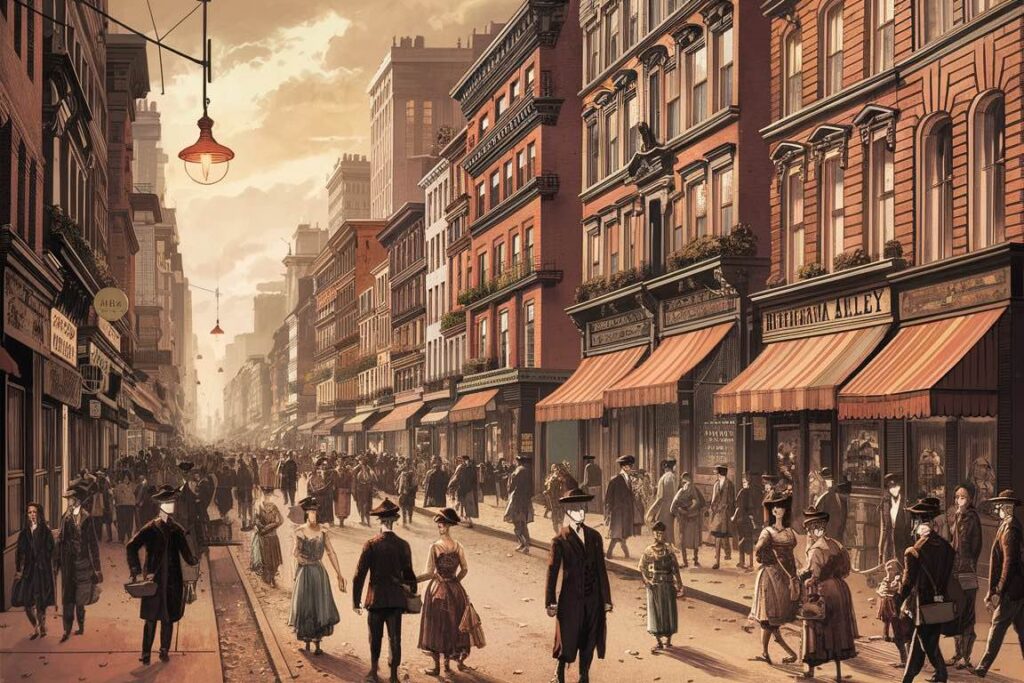
“It was the best of times, it was the worst of times” is one of literature’s most iconic opening lines. Charles Dickens used this line to introduce his novel A Tale of Two Cities (1859), which is set during the tumultuous period of the French Revolution.
This opening sentence instantly captures the reader’s attention with its stark contrast. The duality expressed here reflects the novel’s themes of conflict and juxtaposition. The use of parallelism creates a rhythm that is memorable and striking.
Dickens masterfully set up a narrative that would explore the extremes of human experience. By starting with such a paradoxical statement, he primes the reader for a story filled with both joy and sorrow, wisdom and foolishness.
Culturally, this line has transcended its original context and is often quoted in various media to signify contrasting conditions. It has become a shorthand for describing epochs of significant change, resonating with audiences beyond the literary world.
In literature, the impact of this opening is profound. It showcases Dickens’ ability to condense complex ideas into a few words. Writers and critics alike recognize it as a benchmark for powerful and evocative prose.
Both popular culture and academic discussions continue to reference and adapt this line, demonstrating its enduring legacy.
“It is a truth universally acknowledged, that a single man in possession of a good fortune, must be in want of a wife.” – Jane Austen
Jane Austen’s opening line from Pride and Prejudice (1813) is one of the most recognizable and celebrated in English literature.
The line’s fame stems from its witty and ironic tone, immediately setting the stage for the social commentary that follows. It captures the essence of the novel, addressing themes of marriage, social status, and economic security with an undercurrent of satire.
This opening has had a significant impact on culture and literature, inspiring countless adaptations and parodies over the years. It succinctly conveys the societal expectations of the time, making it relatable yet critical.
Austen’s ability to encapsulate complex social dynamics in a single sentence demonstrates her literary mastery. The statement appears straightforward, yet its layers of meaning have been analyzed and appreciated for generations.
This opening has set a high standard for novel introductions, demonstrating that a first sentence can encapsulate a novel’s themes and tone.
“It was a bright cold day in April, and the clocks were striking thirteen.” – George Orwell

“It was a bright cold day in April, and the clocks were striking thirteen” is a line that immediately grabs attention. The strange detail of clocks striking thirteen adds an unsettling element, suggesting something is amiss in this world.
George Orwell’s opening in Nineteen Eighty-Four (1949) sets the tone for the novel’s dystopian setting. This line hints at a twisted reality where even time cannot be trusted.
This opening line has influenced literature and culture deeply, becoming iconic for its ability to encapsulate the novel’s themes in just a few words. It signifies control, manipulation, and the distortion of truth, recurring themes throughout the novel.
The memorable combination of simplicity and eeriness has made it one of the most quoted and recognized sentences in English literature.
“All this happened, more or less.” – Kurt Vonnegut

Kurt Vonnegut’s opening line from Slaughterhouse-Five (1969) captures the reader’s attention with its unique blend of truth and ambiguity.
This sentence sets the tone for a novel that oscillates between reality and fiction, reflecting Vonnegut’s own experiences in World War II.
The understated yet striking phrase prompts readers to question the reliability of narration and the malleability of memory.
With this line, Vonnegut presents a semi-autobiographical approach, subtly suggesting that while the facts may blur, the essence of the story remains truthful.
The opening has left a lasting impact on literature, encouraging a more fluid interpretation of historical events and personal narratives.
This line has become iconic, encapsulating the novel’s surreal nature and the complexities of human memory.
Vonnegut’s literary style, marked by this innovative opening, has influenced countless writers to explore non-linear storytelling and metafiction.
“It was a pleasure to burn.” – Ray Bradbury

“It was a pleasure to burn” is the striking opening line of Ray Bradbury’s classic dystopian novel, Fahrenheit 451 (1953). This line immediately captures the reader’s attention with its paradoxical statement. The pleasure associated with destruction sets the tone for the unsettling world Bradbury created, where firemen burn books to suppress knowledge.
This line became famous for its brevity and impact. It effectively encapsulates the book’s central theme: the conflict between knowledge and ignorance. The pleasure derived from burning symbolically underscores the societally sanctioned acceptance of censorship.
Bradbury’s choice of words leaves a lasting impression and ignites curiosity. The stark contrast between pleasure and the act of burning highlights the perverse twist of societal conventions. This line showcases the character Montag’s initial indoctrination and foreshadows his eventual rebellion.
The cultural and literary impact of Bradbury’s opening cannot be overstated. It has become one of the most quoted lines in literature, emphasizing the dangers of censorship and the value of intellectual freedom. “It was a pleasure to burn” continues to resonate, reminding readers of the importance of questioning authority and cherishing knowledge.
“Happy families are all alike; every unhappy family is unhappy in its own way.” – Leo Tolstoy
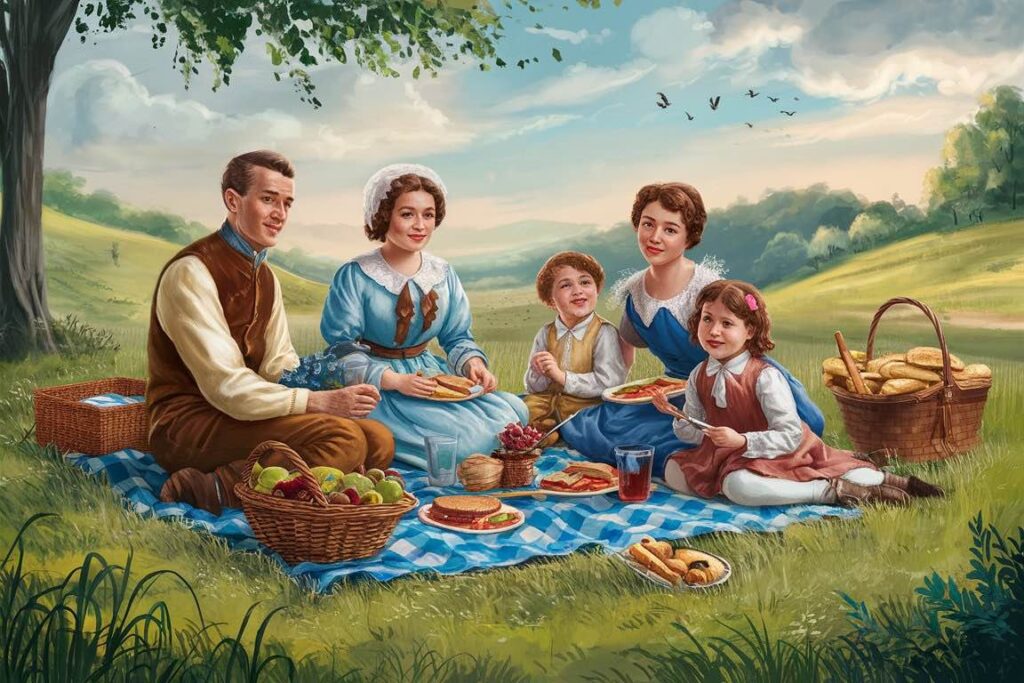
“Happy families are all alike; every unhappy family is unhappy in its own way” opens Leo Tolstoy’s novel Anna Karenina (1878), a line that has captivated readers since its publication.
Its meticulous observation of human nature gives the novel a timeless appeal. It announces the novel’s exploration of complex emotional and social dynamics within families.
The phrase underscores the universality of happiness and the individuality of suffering. This duality helps the reader understand that while family joy follows a general pattern, unhappiness has unique intricacies.
Tolstoy’s deep dive into the distinct struggles of the characters reflects a broad range of experiences. Each family’s tale is both a personal account and a lens into the prevailing customs of the times.
Culturally, this opening line has permeated discussions beyond literature. It is often quoted in psychology and sociology to illustrate the complexities of human relationships.
This sentence has set a high bar for novel openings, demonstrating how a single line can encapsulate the essence of a lengthy narrative. It shows Tolstoy’s skill in blending philosophical insights with storytelling.
The impact of this line is evident in its frequent citations and analyses, proving its enduring relevance and profound influence on literature and thought.
“Mr. and Mrs. Dursley, of number four, Privet Drive, were proud to say that they were perfectly normal, thank you very much.” – J.K. Rowling

The opening line of J.K. Rowling’s Harry Potter and the Philosopher’s Stone (1997) introduces readers to a seemingly ordinary family—the Dursleys. This beginning sets the stage for the extraordinary events that follow, juxtaposing the mundane with the magical.
The assertion of normalcy immediately piques interest. Readers are compelled to question why such ordinary characters are significant in a world that soon reveals its extraordinary nature.
This opening sentence establishes the Dursleys’ aversion to anything out of the ordinary. Their disdain for the unusual highlights the stark contrast between the Muggle world and the magical world, setting up the cultural clash that is central to the series.
The impact of this line extends beyond setting the initial scene. It subtly introduces the theme of normalcy versus the extraordinary, a recurring motif throughout the Harry Potter series. This theme resonates with many readers who have felt different or out of place at some point in their lives.
By beginning with the Dursleys, Rowling cleverly grounds her fantastical tale in an ordinary suburban setting. This helps readers, especially younger ones, ease into the magical world, making the subsequent introduction of Harry Potter and his adventures even more enchanting.
“In my younger and more vulnerable years my father gave me some advice that I’ve been turning over in my mind ever since.” – F. Scott Fitzgerald
F. Scott Fitzgerald’s novel The Great Gatsby (1925) starts with this memorable line, which sets the tone by introducing the reader to the reflective and introspective nature of the narrator, Nick Carraway.
The wisdom imparted by Nick’s father highlights themes of empathy and social awareness. This opening draws readers in by suggesting a life lesson that has influenced the narrator’s worldview.
The line has become iconic due to its universal appeal and simplicity. It resonates with readers who have received parental advice, making it a relatable and profound start to the story.
Fitzgerald’s opening line also hints at the novel’s exploration of the American Dream and the moral complexities of the characters. The advice given to Nick underscores the novel’s critical view of wealth and privilege.
In literature and culture, this line is often cited as an exemplary introduction. Its impact lies in its ability to convey deep meaning with brevity and elegance, a hallmark of Fitzgerald’s writing style.
The concise yet substantial nature of the advice encapsulates the novel’s thematic concerns and Nick’s character, making it a powerful opening that has left a lasting legacy in literary history.
“The sun shone, having no alternative, on the nothing new.” – Samuel Beckett

Samuel Beckett’s opening line from Murphy (1938) instantly sets a tone of bleakness and absurdity. The sentence highlights the inevitability of routine and the monotony of existence. This stark depiction of life paved the way for Beckett’s subsequent exploration of existential themes.
The choice of words in this line is deliberate and impactful. The sun, traditionally a symbol of hope and renewal, is here rendered powerless, bound by necessity. This contradiction establishes a world where circumstances are unchanged and unchangeable.
This opening also exemplifies Beckett’s modernist style, characterized by its sparse prose and deep philosophical underpinnings. By invoking such a strong image with so few words, he draws readers into a complex emotional mindset.
The cultural and literary impact of this line is significant. It encapsulates the themes of existentialism that dominate much of Beckett’s work. The line also resonates with readers who find themselves reflecting on the inevitable cycles in their own lives.
Literature often seeks to confront such universal truths, and Beckett’s words have been quoted and analyzed extensively. This single sentence, with its profound simplicity, has ensured Beckett’s place in the canon of modernist literature.
Elements of an Unforgettable Opening Line
The ability of an opening line to captivate readers lies in its capacity to set the tone, establish a unique voice, and create intrigue. These elements work together to create a memorable beginning that draws readers into the story.
Setting the Tone
An engaging opening line immediately establishes the tone of the narrative. Whether it’s dark and mysterious, lighthearted and whimsical, or intense and thrilling, the line gives readers a sense of what to expect.
Consider the opening of Orwell’s Nineteen Eighty-Four, which sets a dystopian and unsettling tone from the outset. The bizarre detail of clocks striking thirteen suggests a world where normalcy has been disrupted, drawing readers into Orwell’s chilling vision of the future.
Another example is the opening line of Austen’s Pride and Prejudice, which sets a satirical tone, hinting at the novel’s exploration of themes like marriage and social expectations with wit and irony. The tone immediately engages readers with its cleverness and lays the groundwork for the story’s thematic concerns.
Establishing Voice
The voice of an opening line reveals the author’s unique narrative style and often introduces the protagonist’s perspective. A strong opening voice can make a character instantly memorable and relatable.
J.D. Salinger’s The Catcher in the Rye (1951) opens with: “If you really want to hear about it, the first thing you’ll probably want to know is where I was born, and what my lousy childhood was like…”
Salinger’s use of colloquial language and a conversational tone gives readers an immediate sense of Holden Caulfield’s personality—cynical, disaffected, and deeply introspective.
Similarly, Douglas Adams’ The Hitchhiker’s Guide to the Galaxy (1979) begins: “Far out in the uncharted backwaters of the unfashionable end of the western spiral arm of the Galaxy lies a small, unregarded yellow sun.”
The quirky, whimsical voice sets the stage for the book’s blend of science fiction and humor, and it reflects the novel’s offbeat, satirical look at life and the universe.
Creating Intrigue
Creating intrigue in the opening line captures readers’ curiosity and compels them to read further. A hint of mystery or an unexpected detail can invoke questions that drive the narrative forward.
Gabriel Garcia Marquez’s One Hundred Years of Solitude (1967) begins with: “Many years later, as he faced the firing squad, Colonel Aureliano Buendía was to remember that distant afternoon when his father took him to discover ice.”
This line is packed with intrigue—the bizarre context of remembering ice while facing a firing squad piques readers’ curiosity about the events that led to this moment.
Another striking example is from Stephen King’s The Gunslinger (1982): “The man in black fled across the desert, and the gunslinger followed.”
This line thrusts readers into a chase, creating immediate tension and leaving many unanswered questions: Who is the man in black? Why is he fleeing? Who is the gunslinger? This immediate pull into the action is what makes the line unforgettable.
The Impact of Opening Lines on Readers
Opening lines in novels lay the foundation for the reader’s experience, which can greatly impact a reader’s decision to continue reading.
First Impressions
The first sentence of a novel introduces the reader to the author’s world. Statements like “Call me Ishmael” from Moby-Dick immediately foster curiosity. The brevity and directness effectively prompt questions about the narrator’s identity and backstory.
Such opening lines can be memorable due to their simplicity and ability to evoke curiosity, leaving a lasting impression that draws readers further into the story. They signal the novel’s theme, tone, and style, preparing the reader for what lies ahead.
Emotional Engagement
An opening line’s power lies in its ability to engage readers emotionally. Dickens’ “It was the best of times, it was the worst of times…” from A Tale of Two Cities creates a sense of paradox that resonates emotionally.
The rhythm and contrast in this sentence elicit various feelings—hope, despair, uncertainty—effectively aligning the reader’s emotions with the novel’s themes. Emotional engagement from the outset can make the narrative more relatable and compelling, encouraging readers to invest their time and emotions.
Narrative Hook
Opening lines that act as narrative hooks ensure that readers are curious about the unfolding plot. They often encapsulate a central idea or conflict, inviting readers to explore the narrative further to unravel its complexities. The anticipation generated by an effective hook can drive reader engagement and satisfaction.
Furthermore, a narrative hook is essential for maintaining a reader’s interest. Pride and Prejudice’s “It is a truth universally acknowledged…” by Austen introduces a core societal theme with sharp social commentary, which intrigues readers about the story’s societal observations.
By understanding the profound impact of opening lines, authors can craft sentences that not only grab attention but also enhance the reader’s journey through their narrative.
Further Reading
- What Makes a Great Opening Line? by Allegra Hyde, Literary Hub
- Why Stephen King Spends ‘Months and Even Years’ Writing Opening Sentences by Joe Fassler, The Atlantic
- The Art of the Opening Sentence by Jonathan Russel Clark, The Millions
- What is the best opening line you have ever read in a book? on Quora