Microfiction is a very short story, typically under 1,000 words and often under 500. It is known by several names: flash fiction, sudden fiction, short shorts, and microprose. The boundaries between these terms are loose, but the core principle remains the same: extreme brevity.
Microfiction is not a new invention. Its precursors include fables, parables, koans, and haiku, while the modern form became more clearly defined in the twentieth century through very brief prose by writers such as Kafka and through the broader tradition of flash fiction. In the digital era, online publishing and social media have given ultra-short fiction new visibility, especially through six-word stories and tweet-length narratives.
What distinguishes microfiction from a short story is not merely length. A short story compresses a narrative arc. Microfiction compresses a moment, a perception, or an epiphany. It often ends before the reader expects an ending, and the reader must supply what is missing.
The Hemingway Example
One of the most famous pieces of microfiction is often attributed to Ernest Hemingway, though its origin is uncertain. The story reads in full:
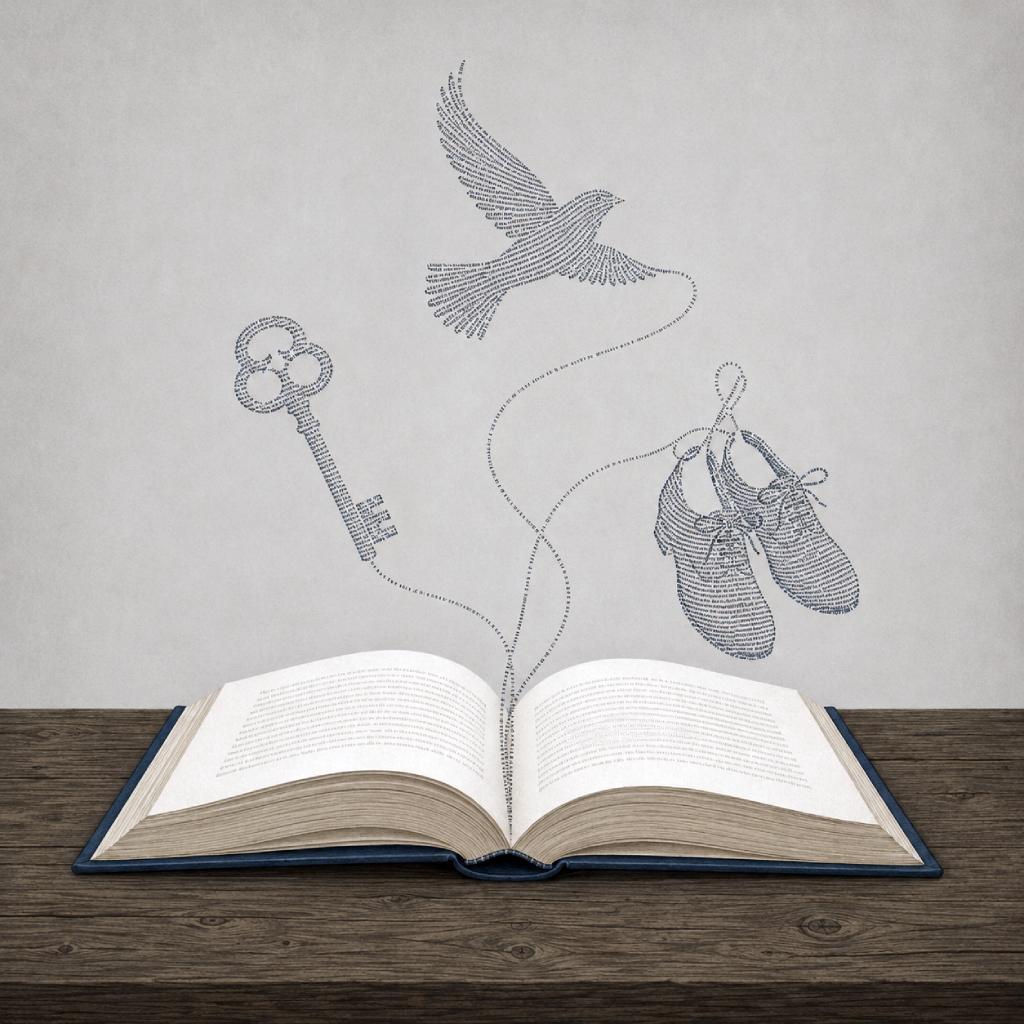
“For sale: baby shoes, never worn.”
In six words, it offers no named characters, setting, or explicit plot. Instead, it implies loss and leaves the reader to supply the emotional context. That readerly completion is one of microfiction’s defining effects: the writer supplies a frame, and the reader supplies the meaning.
The piece works because each word is doing compressed narrative labor. “For sale” suggests a transaction that is already meaningless or incomplete. “Baby shoes” introduces a concrete object charged with vulnerability and absence. “Never worn” delivers the emotional reversal. The story does not explain the loss; it lets the shoes imply it.
Mixed Examples: Classical and Contemporary
Microfiction comes in many registers. Here are three examples that show its range.
Classical: Franz Kafka
Kafka wrote dozens of very short prose pieces, often called parables or aphorisms. One of the shortest reads:
“Leopards break into the temple and drink the sacrificial vessels dry; this occurs repeatedly, again and again; finally it can be calculated in advance, and it becomes part of the ceremony.”
In this piece, Kafka implies a system rather than a story. The leopards are not characters but elements within that system. The ceremony absorbs change, and the change becomes routine. The reader is left to decide whether this is tragic, comic, or merely how institutions work.
In pop culture, Hemingway is often associated with the six-word story; in serious literary history, Kafka is more comparable to writers like Kierkegaard or Kleist, who also wrote short, philosophical, parabolic pieces. Kierkegaard’s fragments challenge the reader’s understanding of truth; Kafka implies a system.
Contemporary: Lydia Davis
Davis is one of the most celebrated living writers of very short fiction. Her collection The Collected Stories of Lydia Davis (2009) contains hundreds of pieces, many less than a page. One example might be a sentence or two pulled from one of those micro-stories, where a single observation or fragment implies an entire narrative.
Short Online Stories
The internet has democratized microfiction. Platforms like X (formerly Twitter) host thousands of ultra-short stories, and many of these go viral. A typical example:
“Found my soulmate at the airport. He was flying out.”
Ten words, but the structure follows Hemingway. The first sentence sets up hope. The second delivers disappointment. The reader imagines the missed connection, the timing, the what-if. The story is not told; it is implied.
What Microfiction Does
Microfiction trains the reader to pay attention to what is not said—the gaps are where the meaning lives. A traditional short story may take twenty pages to establish character, setting, and conflict. Microfiction compresses that into a few dozen words, and the reader supplies the rest.
This is why microfiction can be more memorable than longer forms. A reader who supplies the emotional content owns the story in a way that passive reading does not allow. The so-called Hemingway shoes linger in your mind because you supplied the tragedy. The Kafka leopards linger because you supplied the interpretation.
Microfiction also teaches writers about economy because every word must earn its place. Adjectives are rare and adverbs are almost forbidden. The sentences are short and the verbs are active and the nouns are concrete. A writer who learns to write microfiction learns to write prose that is lean without being thin.
Where to Start
If you are new to microfiction, begin with these collections:
- Lydia Davis, The Collected Stories of Lydia Davis
- Franz Kafka, The Complete Stories (focus on the short parables)
- Matt Bell, Scatter the Stock (a collection of very short stories)
- Flash Fiction Online (online anthology of very short fiction)
The Hemingway “baby shoes” story can be found in countless anthologies, though its authorship is disputed. Read it, then try to write your own six-word story. The attempt will teach you more than any guide.